

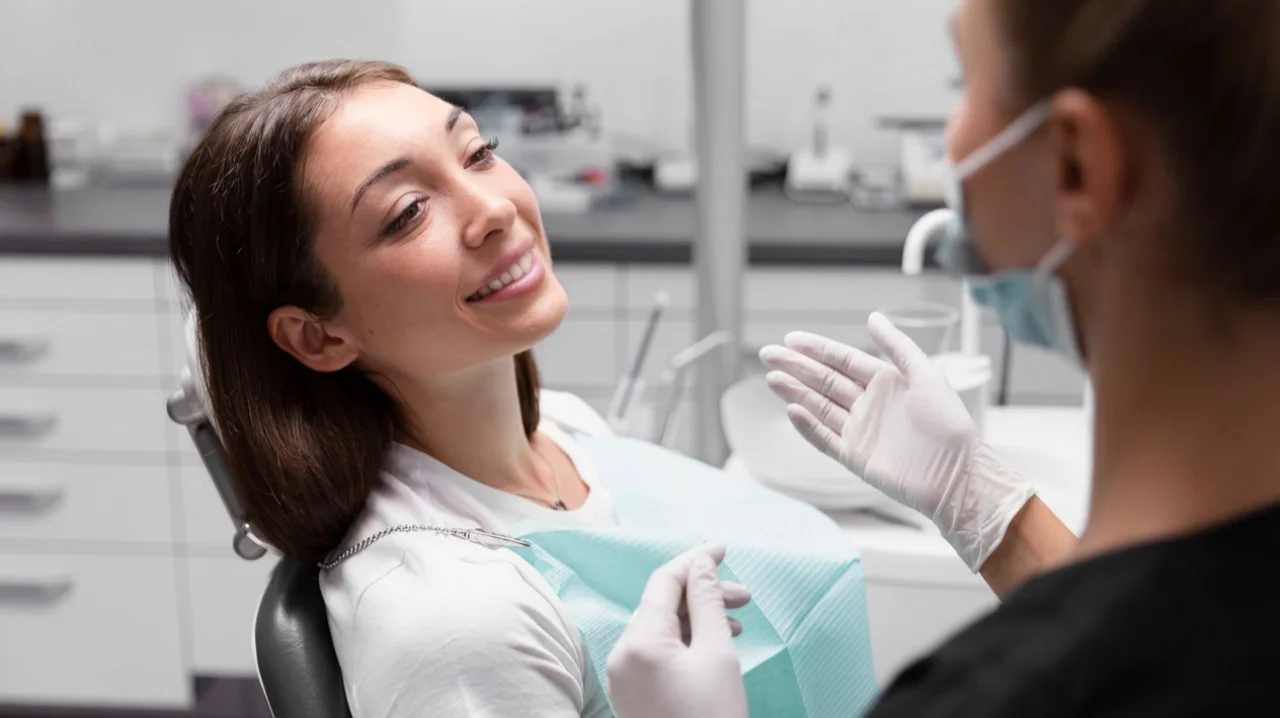
Most people picture a scalpel when they hear about gum treatment, so it can be a relief to learn there is another option. In some cases, laser dentistry treats soft tissue with focused light instead of a blade, and it may mean less bleeding and a smoother recovery. The sections below explain how a soft tissue laser treats gum tissue, which treatments can use one, the benefits it offers, how a short exam shows whether it fits, how a visit works step by step, and how follow-up care helps healing.
A Soft Tissue Laser Treats Gum Tissue With Focused Light Instead of a Blade
A soft tissue dental laser treats gum tissue with a narrow beam of focused light energy instead of a blade. In some cases, the beam reshapes or removes small amounts of tissue, so there is little or no cutting in the traditional sense. The dentist adjusts the settings to suit the type of tissue being treated. This kind of laser works on soft tissue such as the gums, not on the hard surface of the teeth.
Which Soft Tissue Treatments Can Use a Dental Laser
A dental laser can be used for several soft tissue treatments. Each one changes the gum tissue in a different way.
Gum Contouring for the Gum Line
Gum contouring, also called gum sculpting, reshapes an uneven gum line. It can change how much of the teeth the gums cover.
Gingival Treatment for Small Areas of Gum Tissue
The laser can treat small areas of inflamed or overgrown gum tissue. The treatment targets the affected area and leaves nearby healthy tissue in place.
Crown Lengthening for Teeth Covered by Gum Tissue
Crown lengthening uncovers more of a tooth that sits under the gum. A laser may be used for this reshaping in some cases, and the dentist explains which approach suits the tooth.
Benefits of a Dental Laser for Soft Tissue Treatment
A dental laser can offer several benefits for soft tissue treatment. Results vary by patient and by procedure.
- Reduce bleeding during many procedures.
- Reach small areas with precision.
- Leave nearby healthy tissue undisturbed.
- Support smoother healing.
- Make some procedures more comfortable.
A Short Exam Shows Whether Laser Treatment Fits
A short exam shows whether laser treatment suits the tissue and the goal. The dentist looks at the area, reviews health history and any medications, and explains the options. Small, well-defined areas of soft tissue are often a good match. Larger or deeper problems may call for another approach, and the dentist explains why.
How a Laser Soft Tissue Visit Works Step by Step
A laser soft tissue visit follows four steps. Each step has a clear purpose, from confirming the plan to going over aftercare.
Confirming the Plan
On the day of treatment, the dentist confirms the plan and answers any last questions.
Preparing for Comfort
The area is prepared for comfort, and protective eyewear is provided for everyone in the room.
Treating the Tissue With the Laser
The dentist guides the beam across the area until the planned change is complete.
Reviewing Aftercare
Before leaving, the patient receives clear instructions for the first days of healing.
Follow-Up Care Helps the Treated Area Heal Smoothly
Good follow-up care helps the treated area heal smoothly. Brush gently around the area and rinse as the dentist advises. Choose softer foods for the first days, and avoid very hot or spicy items that can irritate the tissue. A follow-up visit lets the dentist check how the area is healing. Regular checkups and cleanings help keep gum tissue healthy over the long term.
Get Laser Gum Care Explained at Athol Family Dentists in Athol
Gum treatment is easier to plan when the options are clear. Athol Family Dentists in Athol offers Laser Comfort Dentistry, gum sculpting, periodontal care and gum grafting, and we can explain whether a laser fits your gums. Book a consultation to talk through your options.
Frequently Asked Questions
How does the dentist protect nearby teeth during laser treatment?
The beam is aimed only at the treatment area, and the dentist uses barriers or protective tools to shield nearby teeth and tissue. Athol Family Dentists can explain the precautions before treatment begins.
Does laser dentistry always eliminate the need for stitches?
No. Many laser procedures need few or no stitches, but larger or deeper treatments may still need them. The dentist explains what to expect for your treatment.
Can laser treatment be used around dental restorations?
Dentists take care around crowns, fillings and implants because some materials can reflect laser energy. The dentist reviews the area and chooses suitable settings or another approach. Ask whether your restorations affect the plan.
When is a biopsy still needed even if a lesion can be removed with a laser?
A biopsy may still be needed when tissue looks unusual or the cause is unclear, because removing a lesion does not replace testing it. The dentist advises when a sample should be examined.
How many visits does a soft tissue laser procedure usually take?
Many soft tissue laser procedures are completed in one visit, though larger treatments or healing checks may need more. Athol Family Dentists can outline the plan at a consultation.