

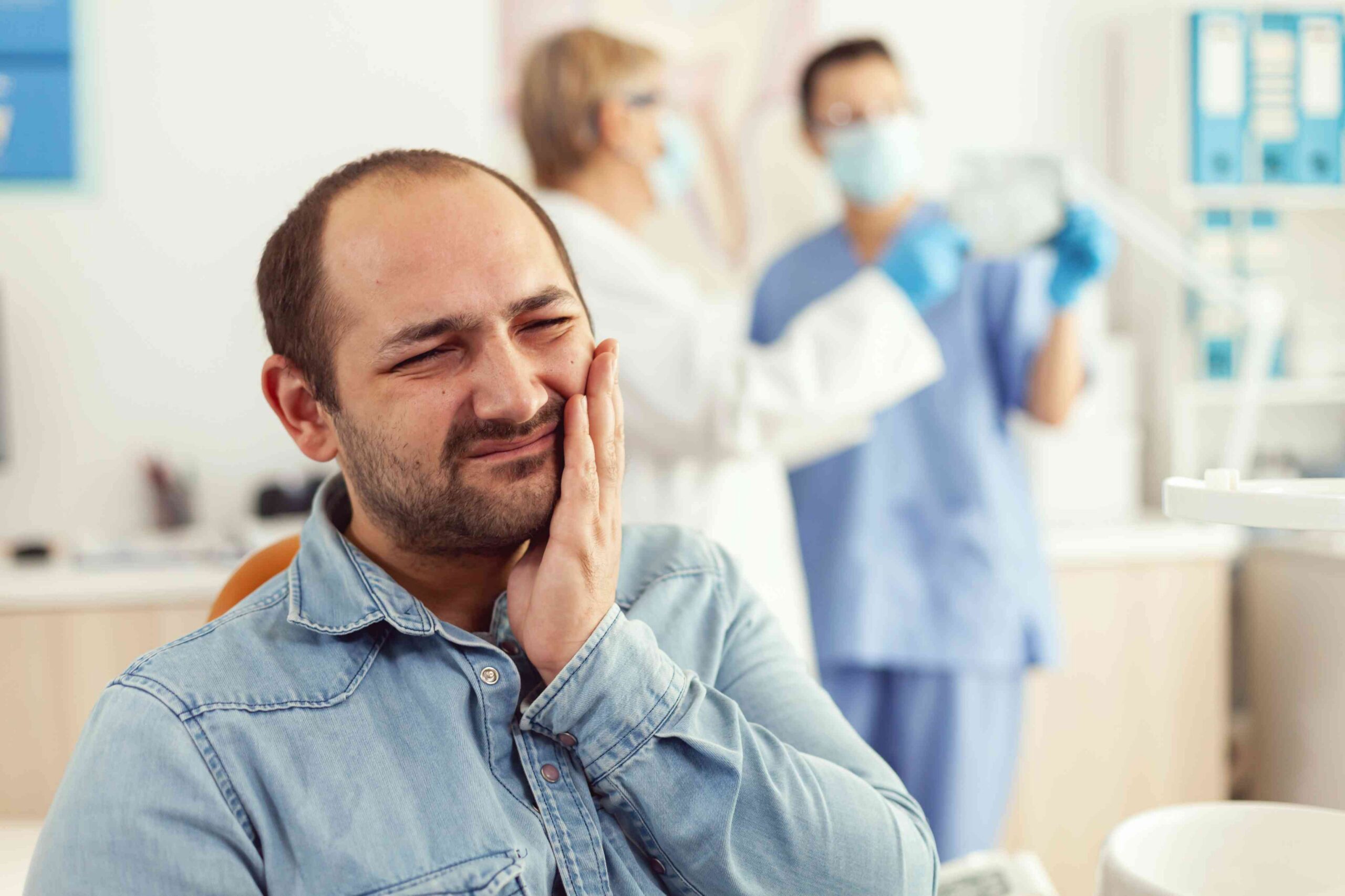
An emergency dentist in Phillipston, MA may be needed for severe tooth pain, facial swelling, broken teeth, knocked-out teeth, loose dental work, bleeding that does not stop, or signs of infection. Phillipston patients should seek urgent dental or medical care for fever, spreading swelling, pus, heavy bleeding, trauma, or trouble swallowing or breathing. Emergency dental visits usually begin with a focused exam, symptom review, and X-rays when needed to identify the cause.
Sudden dental problems can feel confusing because they do not always look as serious as they feel. A tooth may crack during a meal; swelling may appear near the jaw, or a loose crown may leave the tooth sensitive to air and cold drinks. In Phillipston, patients may need clear direction on whether a symptom needs urgent care.
Patients searching for an emergency dentist in Phillipston, MA are often trying to make a fast but safe decision. Severe tooth pain, swelling, dental injuries, broken teeth, and infection signs should be checked when symptoms are strong, spreading, or affecting eating, sleeping, speaking, or daily comfort.
Emergency dental care starts with a diagnosis. The dentist may examine the tooth, gums, bite, soft tissues, and X-rays when needed before explaining what care may be needed.
When Tooth Pain Becomes Urgent
Tooth pain can come from decay, cracks, gum infection, nerve inflammation, trauma, bite pressure, or damaged dental work. The pain may feel sharp, dull, throbbing, or pressure-like.
Pain that wakes someone at night, gets worse with chewing, or lingers after hot or cold should be checked promptly. Pain with swelling, fever, pus, or a bad taste may suggest infection.
Phillipston patients should explain when pain starts, what triggers it, and whether swelling or injury is present. These details help the dental team understand the urgency.
When Emergency Dentist Phillipston MA Care May Be Needed
An emergency dentist Phillipston, MA may evaluate severe toothache, facial swelling, broken teeth, knocked-out teeth, moved teeth, bleeding injuries, lost fillings, loose crowns, or painful gum swelling.
Urgent care may also be needed when there is a pimple-like bump on the gums, drainage, fever, or increasing pressure around a tooth. These symptoms may be linked to infection.
Not every emergency visit completes final treatment on the same day. Some visits focus on diagnosis, temporary protection, swelling control, medication when appropriate, or planning the next step.
Swelling and Infection Should Be Taken Seriously
Swelling near the gums, jaws, cheeks, or face can be a warning sign. It may be linked to an infected tooth, gum abscess, trauma, or another dental concern.
Fever, pus, spreading swelling, swollen lymph nodes, trouble opening the mouth, or increasing pressure should be checked quickly. Trouble swallowing or breathing needs urgent medical attention.
Patients should not try to drain swelling at home. The source needs to be identified so the dentist can recommend safe care.
Dental Injuries Can Hide Deeper Damage
Dental trauma may involve a chipped tooth, loose tooth, moved tooth, knocked-out tooth, cut gum tissue, or jaw soreness. Pain level does not always show how serious the injury is.
If a permanent tooth is knocked out, hold it by the crown and avoid touching the root. Keep it moist in milk or inside the cheek if safe and seek urgent dental care quickly.
Loose or moved teeth should also be checked promptly. Trauma can affect the root, bone, nerve, and nearby tissues even when the tooth still looks mostly intact.
Broken Teeth Need Protection
A tooth may break because of decay, a large old filling, clenching, grinding, trauma, or biting something hard. The broken area may feel sharp, rough, sensitive, or painful.
Some cracks are not easy to see. A tooth may hurt only when biting or when pressure is released, even if it looks normal in the mirror.
Avoid chewing on the damaged side until the tooth is examined. If a piece of tooth breaks off, bring it to the appointment if possible.
Lost Fillings and Loose Crowns
A lost filling or loose crown can expose sensitive tooth structure. Cold air, sweets, drinks, or chewing pressure may cause discomfort.
Bring the crown or fill it if you still have it. Household glue should not be used to reattach dental work because it can damage the tooth or restoration.
The dentist may check whether decay, fracture, bite pressure, or cement breakdown caused the issue. A replacement may not be safe until the tooth underneath is evaluated.
What Not to Do at Home
Patients should avoid placing aspirin directly on the gums or teeth. This can irritate or burn oral tissue.
Do not use sharp tools to poke swelling, remove stuck objects, or smooth a broken tooth edge. This can worsen injury or introduce bacteria.
Avoid chewing on the painful side. Rinse gently with warm water if debris is present and use a cold compress on the outside of the cheek for swelling or trauma.
Warning Signs That Need Fast Care
Some symptoms should not wait for a routine appointment. Severe pain, spreading swelling, fever, pus, heavy bleeding, trauma, or a knocked-out permanent tooth need prompt attention.
Trouble swallowing, trouble breathing, swelling near the eye, or swelling that spreads quickly should be treated as urgent medical concerns.
Phillipston patients should describe these symptoms clearly when calling for help. The more specific the information, the easier it is to guide the next step.
How the Dentist Finds the Cause
Emergency dental care should be based on a clear diagnosis. The dentist may examine the painful tooth, surrounding teeth, gums, bites, jaws, and soft tissues.
X-rays may be recommended to check for decay, infection, bone changes, root damage, or concerns under older restorations. Bite testing may help when a crack is suspected.
After diagnosis, the dentist can explain whether the tooth may need a filling, crown, root canal treatment, extraction, gum care, temporary protection, or follow-up monitoring.
Why Follow-Up Care Matters
An emergency visit may reduce symptoms or stabilize the area, but final care may still be needed. A temporary filling or protective step is not always meant for long-term chewing.
If infection is involved, medication when prescribed may help symptoms but may not remove the source. Dental treatment is often needed.
Phillipston patients should follow instructions closely and report worsening pain, swelling, fever, drainage, or bite discomfort. Follow-up helps protect the teeth, gums, and surrounding tissues.
What Patients May Value from Urgent Dental Care
Emergency dental care can help patients move from uncertainty to a clear plan.
Patients may value:
- Focused review of severe pain
- Swelling and infection assessment
- Broken tooth evaluation
- Dental trauma guidance
- Lost crown or filling care
- X-rays when needed
- Temporary protection when suitable
- Clear follow-up instructions
- These benefits depend on the emergency, diagnosis, and condition of the tooth or gums.
What to Expect Before During and After
Before the visit, explain the main concern clearly. Mention severe pain, swelling, fever, trauma, bleeding, broken dental work, or trouble swallowing.
During the visit, the dentist may complete a focused exam and take X-rays when needed. The first goal is to identify the source of urgent symptoms.
After the visit, patients should know what was done, what still needs care, and what warning signs require attention. A clear plan can make urgent dental problems easier to manage.
Local Patient Review
“I had swelling near one tooth and was worried it might get worse. The visit helped explain the source and what care was needed next.”
Safer Steps for Sudden Dental Symptoms
Sudden tooth pain, swelling, dental trauma, broken teeth, and loose restorations should be checked before symptoms become harder to manage. Phillipston patients should seek urgent help for infection signs or serious injuries. Through Athol Family Dentists, emergency dental care can focus on careful evaluation, symptom safety, and clear next steps.
Frequently Asked Questions
What symptoms should I not ignore?
Severe pain, swelling, trauma, pus, fever, uncontrolled bleeding, or a knocked-out tooth should be checked urgently. Trouble breathing or swallowing needs medical care.
Can a broken tooth be treated later if it does not hurt?
A broken tooth should still be evaluated. Some cracks or breaks are deeper than they look and may affect the nerve or tooth strength.
Should I see an emergency dentist in Phillipston, MA for swelling?
Yes, swelling near a tooth, gum, jaw, or face should be checked. Spreading swelling, fever, or trouble swallowing needs urgent attention.
What should I do if a permanent tooth is knocked out?
Hold it by the crown, keep it moist, and seek urgent dental care quickly. Avoid touching or scrubbing the roots.
Can a lost filling cause tooth pain?
Yes, a lost filling can expose sensitive tooth structure. The dentist should check whether decay or fracture is present.
Why does my tooth hurt only when I release my bite?
Pain when releasing pressure may suggest a crack or bite concern. The tooth should be tested and evaluated.
Can antibiotics solve a dental infection?
Antibiotics may be used in some cases, but they do not remove the source inside the tooth or gums. Dental treatment is often needed.
What if emergency care is only temporary?
Temporary care may protect or stabilize the teeth first. Follow-up may be needed for permanent treatment after diagnosis.